


Laboratory work
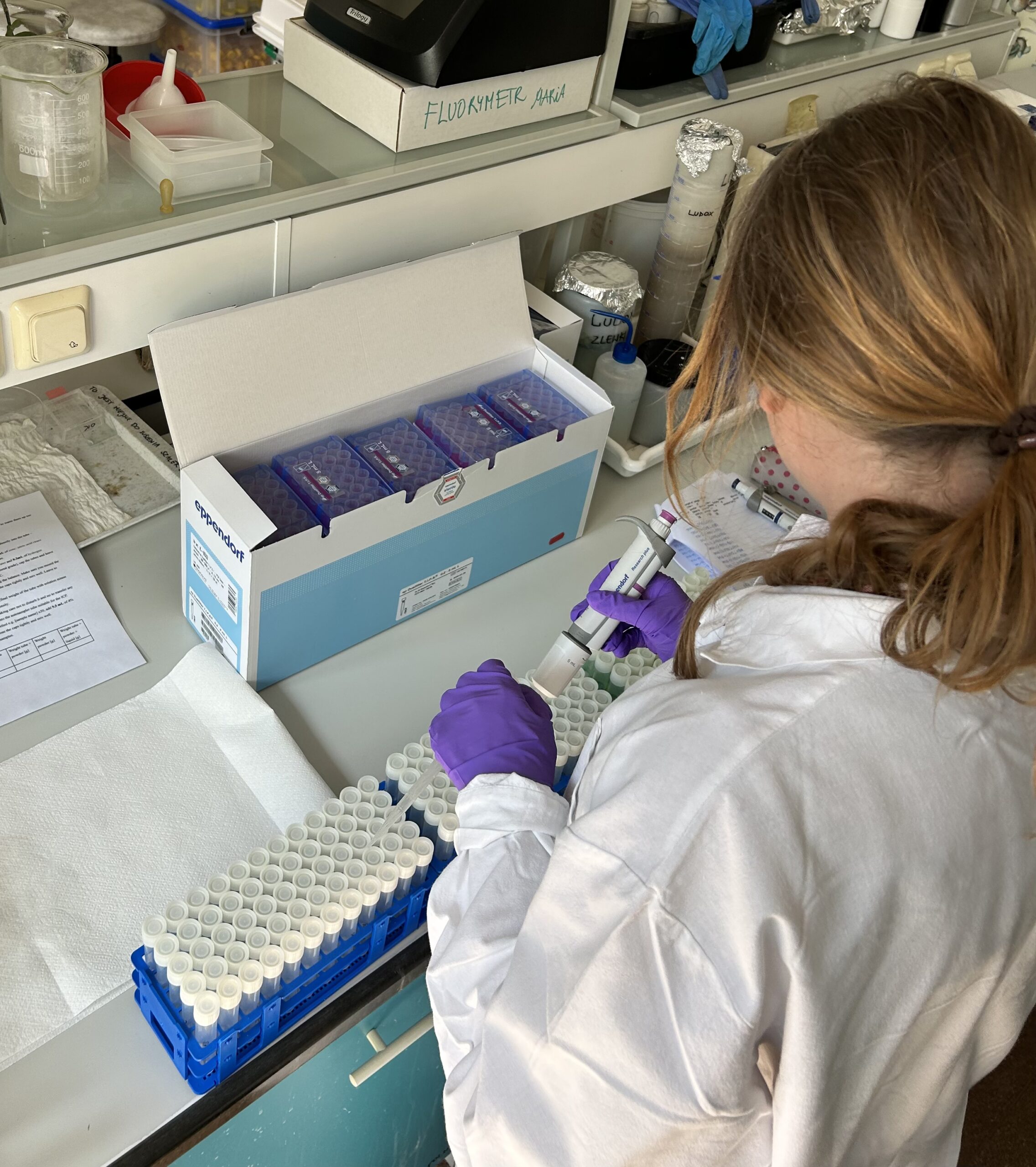
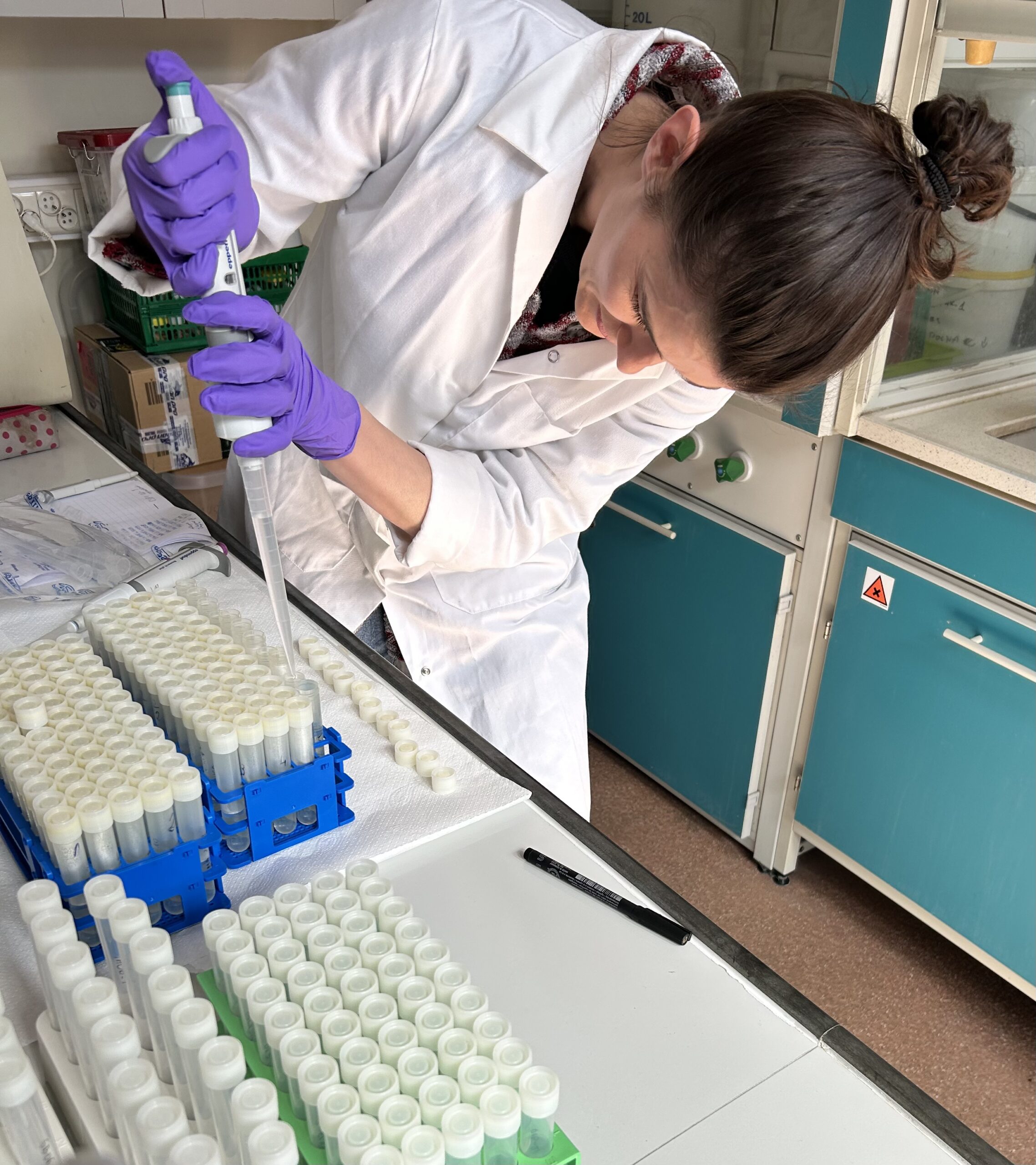
Laboratory work includes taxonomic identification of the collected material to the species level, followed by careful removal of all epibionts—small organisms that could interfere with analytical results. The skeleton or a fragment of the colony (e.g., in the case of bryozoans) is then subjected to an ultrasonic bath in ultra-pure water, followed by drying at 70 °C for 24 hours. Subsequent steps involve multi-stage preparation of solutions containing dissolved calcareous skeletons (photos) for geochemical analyses. The concentrations of elements such as Ca, Mg, Na, Sr, Mn, Ba, Cu, Pb, Y, V, and Cd are determined using triple quadrupole inductively coupled plasma mass spectrometry (ICP-MS-QQQ) by specialists at the Imaging and Analysis Centre of the Natural History Museum, London (https://www.nhm.ac.uk/our-science/services/facilities/imaging-analysis.html).